

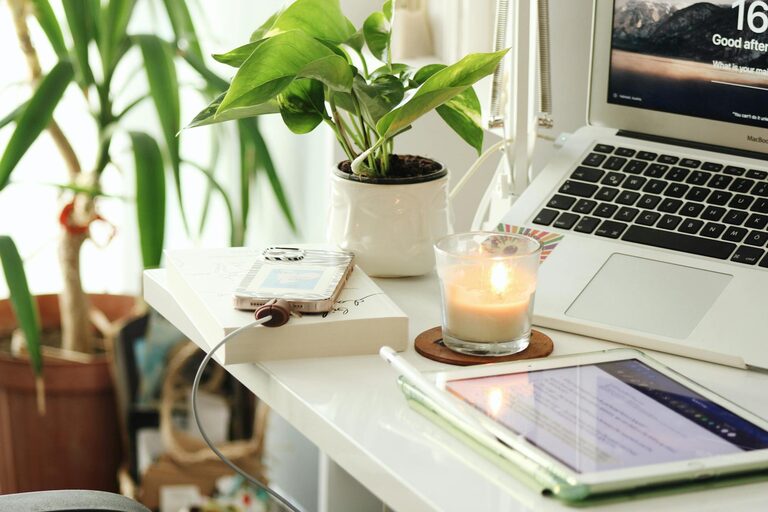
Creating a relaxing home workspace is essential for maintaining focus, reducing stress, and improving overall productivity. Whether you work remotely full-time or occasionally take tasks home, your environment plays a significant role in how well you perform. This post explores practical tips to design a calming, comfortable workspace that supports your work and wellbeing.
Choose the Right Location
The first step in setting up a relaxing workspace is finding the ideal spot. Consider these factors:
– Natural Light: Aim for a space with plenty of natural light. Sunlight boosts mood and alertness.
– Quiet Environment: Select a quiet area away from distractions like TVs or heavy foot traffic.
– Privacy: If possible, find a place where you can close a door or create boundaries to signal work time.
If space is limited, even a decorated corner of a room can become your calm work zone.
Invest in Comfortable Furniture
Comfort directly influences how productive you feel during work hours.
– Ergonomic Chair: Choose a chair that supports your back and encourages good posture.
– Adjustable Desk: If possible, use a desk that can switch between sitting and standing modes.
– Desk Surface: Keep your desk clutter-free with enough space for your essentials like computer, notebook, and a cup of water.
Remember, comfort reduces physical strain and helps you stay focused longer.
Optimize Lighting
Good lighting minimizes eye fatigue and creates a welcoming atmosphere.
– Natural Light First: Position your desk near windows to take advantage of daylight.
– Task Lighting: Use a desk lamp with warm, adjustable light to reduce glare and shadows.
– Avoid Screen Glare: Place your monitor at an angle that does not reflect light directly in your eyes.
Combining natural and soft artificial light creates a soothing environment.
Keep the Space Organized
A tidy workspace fosters a relaxed mindset.
– Declutter Daily: Take a few minutes at the end of each workday to clear papers and tidy up.
– Storage Solutions: Use drawers, shelves, or organizers to store supplies neatly.
– Minimal Decor: Select a few meaningful decorations rather than overcrowding your desk.
An organized space minimizes distractions and helps you get started quickly the next day.
Add Personal Touches
Personalizing your workspace increases comfort and motivation.
– Plants: Small indoor plants improve air quality and add a touch of nature.
– Artwork: Choose calming images or inspiring quotes to hang nearby.
– Comfort Items: Keep a cozy blanket, scented candle, or stress ball close by.
These elements make your workspace feel inviting and unique to you.
Manage Noise Levels
Sound can be a source of distraction or relaxation.
– Noise-Canceling Headphones: Use them if background sounds disrupt your focus.
– Soft Background Music: Many find instrumental or nature sounds helpful for concentration.
– Silence Zones: Inform household members about your work hours to reduce interruptions.
Creating an auditory environment suited to your needs supports workflow and calmness.
Prioritize Good Air Quality and Temperature
Comfort goes beyond décor and furniture. The air you breathe and the room temperature also matter.
– Ventilation: Open windows or use air purifiers to keep air fresh.
– Temperature Control: Use fans, heaters, or air conditioning to maintain a comfortable temperature.
– Humidity: A humidifier can help when the air feels dry, especially in winter.
A comfortable climate keeps your body and mind at ease.
Establish Clear Boundaries
Setting boundaries helps maintain a healthy work-life balance and a stress-free atmosphere.
– Work Hours: Stick to regular work hours to avoid burnout.
– Separate Work and Leisure: When the workday ends, leave your workspace or close your laptop.
– Signals: Consider using a “do not disturb” sign during focused work times.
Clear boundaries help you recharge and return to work refreshed each day.
Take Regular Breaks
Integrating breaks into your work routine supports relaxation and productivity.
– Follow the 20-20-20 Rule: Every 20 minutes, look at something 20 feet away for 20 seconds to reduce eye strain.
– Stretch or Walk: Stand up and move around to improve circulation and relax muscles.
– Practice Mindfulness: A few minutes of deep breathing or meditation can reduce stress.
Breaks prevent fatigue and keep your workspace a pleasant place to spend time.
—
Creating a relaxing home workspace is achievable with intentional choices focused on comfort, functionality, and personal preference. By adjusting your environment and habits, you can enjoy a space that not only boosts productivity but also promotes wellbeing. Take the time to design your work area thoughtfully—it makes a significant difference in your daily work experience.