

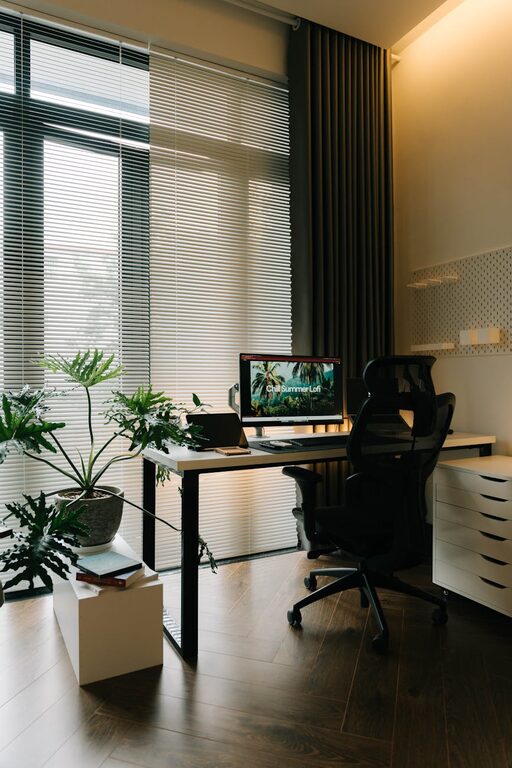
Creating a relaxing home office space is essential for maintaining productivity, focus, and overall well-being while working from home. A thoughtfully designed workspace can reduce stress and foster motivation. Whether you have a dedicated room or just a corner of your living space, these tips will help you create an environment that supports your best work.
Why a Relaxing Home Office Matters
Working from home can blur the lines between personal life and professional responsibilities. Without a clear boundary, distractions and stress can easily take over. A relaxing home office provides a sanctuary where you can focus, organize your tasks, and recharge when needed. It promotes better work habits and helps you stay productive throughout the day.
Choosing the Right Location
Find a Quiet Spot
Look for a spot in your home with minimal noise and foot traffic. Away from busy areas like the kitchen or living room is ideal. If you can’t avoid some noise, consider noise-canceling headphones or soft background music.
Make Use of Natural Light
Natural light boosts mood and energy. Position your desk near a window if possible. Avoid glare on computer screens by angling your desk or using blinds that diffuse sunlight.
Designing Your Workspace for Comfort
Invest in an Ergonomic Chair and Desk
Comfort plays a big role in focus. Choose an adjustable chair that supports your back and allows your feet to rest flat on the floor. Your desk should be at a height where your arms rest comfortably while typing.
Declutter Your Desk
A clean, tidy desk helps reduce stress and distractions. Keep only essential items within reach and store other supplies in drawers or organizers.
Use Calming Colors
Soft, neutral tones like light blues, greens, or warm beige can create a soothing atmosphere. You can add personal touches with artwork or plants, but avoid overly bright or distracting decorations.
Organizing Your Space Efficiently
Create Zones for Different Tasks
If space allows, separate areas for computer work, writing, and meetings can help you transition between tasks mentally. Even small additions like a clipboard station or an inbox tray make a difference.
Manage Cable Clutter
Tidy cables contribute to a cleaner, calmer space. Use cable ties, clips, or under-desk cable organizers to keep cords out of sight.
Keep Supplies Handy
Organize your pens, notebooks, chargers, and other essentials in drawers, containers, or desktop organizers. This keeps your space functional while maintaining a neat look.
Adding Elements for Relaxation
Incorporate Plants
Plants add life to any room and improve air quality. Choose easy-to-care-for options like succulents or snake plants to bring a bit of nature indoors.
Use Essential Oils or Candles (Safely)
A subtle scent can promote relaxation and focus. Consider scents like lavender, eucalyptus, or citrus. Always ensure good ventilation and never leave candles unattended.
Set Up Personal Comforts
A cozy blanket, a small fan, or a desk lamp with adjustable brightness can increase comfort. Personal touches make your workspace inviting and help you feel relaxed while working.
Managing Digital Distractions
Use Focus Tools
Apps like website blockers or timers can help you stay on task. Try techniques like the Pomodoro method (25 minutes focused work, 5 minutes break) to maintain momentum.
Limit Notifications
Turn off non-essential notifications on your phone and computer while working. This reduces interruptions and helps maintain a calm work environment.
Taking Breaks and Moving
Schedule Regular Breaks
Stand up and stretch every hour. Short breaks improve circulation and prevent fatigue. Use this time to hydrate or go outside for a few minutes if possible.
Create a Mini Relaxation Area
If space allows, a comfortable chair or cushion away from your desk can be a spot for a quick mental reset during breaks.
Final Thoughts
Designing a relaxing home office doesn’t have to be complicated or expensive. By focusing on comfort, organization, and calming elements, you can create a workspace that supports both your productivity and well-being. Try these tips to transform your home office into a peaceful, efficient retreat that inspires your best work every day.